Understanding NYC Emergency Plumbing Needs
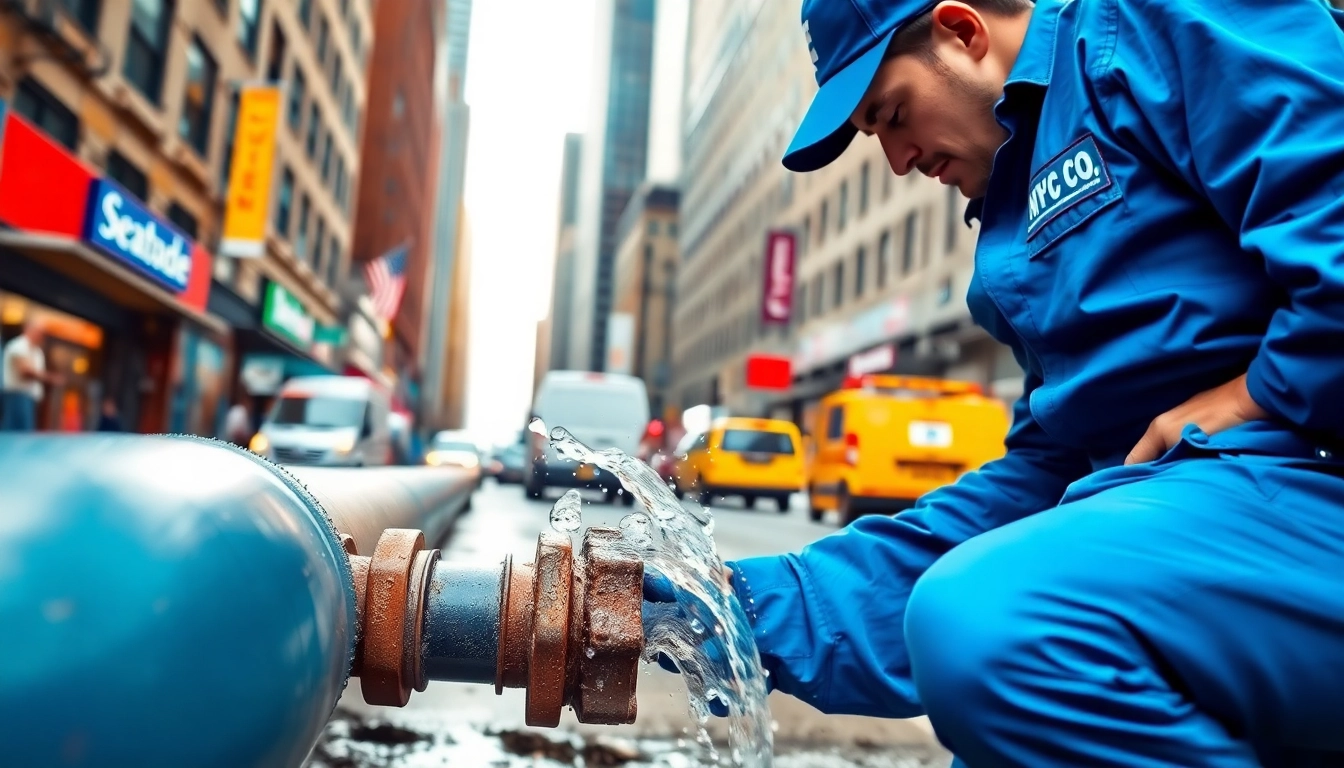
When plumbing emergencies strike, time is of the essence, especially in a bustling metropolis like New York City. The overwhelming volume of plumbing calls during crises highlights a crucial challenge for residents: understanding what constitutes an emergency and knowing when to call for help. Whether it’s a sudden pipe burst or a toilet that won’t flush, being informed can help mitigate stress and damage. At nyc emergency plumber & sewer, we are equipped to handle emergencies swiftly, giving you peace of mind in critical situations.
What Constitutes an Emergency Plumbing Issue?
An emergency plumbing issue is typically characterized by problems that require immediate attention to prevent further damage. Here are several scenarios that qualify as plumbing emergencies:
- Water Main Break: Sudden loss of water supply can indicate a major issue.
- Overflowing Toilet: This can lead to significant water damage and should be addressed immediately.
- Leaking Pipes: A small leak can escalate quickly, damaging walls and flooring.
- Gas Leaks: If you suspect a gas leak, evacuate the area and call emergency services right away.
- No Hot Water: In the middle of winter, a lack of hot water can be more than inconvenient.
Common Plumbing Problems Faced by NYC Residents
New Yorkers commonly face a variety of plumbing issues due to the age of many buildings and the high demands on plumbing systems. Some frequent problems include:
- Clogged Drains: Kitchen sinks and bathroom drains often become blocked due to grease, hair, and debris.
- Leaky Faucets: Dripping faucets can waste water and indicate underlying issues.
- Sewer Backups: A significant problem that can cause health hazards and extensive damage.
- Broken Water Heaters: Essential for comfort, these can fail, particularly during peak usage times.
The Importance of Quick Response in NYC
In a fast-paced city like New York, the speed at which plumbing issues are addressed can save residents from costly repairs and extensive damage. Quick response times are particularly critical for emergencies that could disrupt your daily life. Statistics show that plumbing emergencies that receive prompt attention can reduce damage costs by up to 60%. Therefore, knowing a reliable emergency plumber is essential for every resident.
Choosing the Right NYC Emergency Plumber & Sewer Service
Finding the right emergency plumbing service can feel overwhelming, given the number of options available in New York City. However, focusing on a few key qualities can simplify the selection process. A qualified NYC emergency plumber should exhibit professionalism, experience, and a commitment to customer satisfaction.
Essential Qualities to Look for in a Plumber
- Licensing and Insurance: Always ensure that potential plumbers are properly licensed and insured.
- Experience: Look for companies with proven track records and positive customer reviews.
- Customer Service: A responsive plumbing service can provide peace of mind during emergencies.
- Upfront Pricing: Avoid surprises by selecting plumbers who offer transparent quotes before starting work.
Licensed vs. Unlicensed Plumbers: Understanding the Differences
Hiring a licensed plumber offers several advantages, including protection against damages while the work is being done and compliance with local regulations. Unlicensed plumbers may provide lower initial costs but can lead to greater expenses in the long run due to subpar work or possible fines. Always verify a plumber’s credentials to ensure quality service.
How to Avoid Plumbing Scams in New York City
The high number of plumbing services in NYC can sometimes lead to scams, particularly during emergencies. To avoid falling victim, consider these tips:
- Do Your Research: Check online reviews and ratings for local plumbers.
- Get Estimates: Always ask for written estimates before work begins.
- Check Credentials: Confirm that the plumber is licensed and insured.
- Be Wary of Red Flags: High-pressure sales tactics or demand for large upfront payments can indicate a scam.
Preventive Measures for Plumbing Emergencies
While emergencies can happen at any time, there are proactive steps homeowners can take to reduce their risk. Regular maintenance and being aware of the signs that indicate plumbing issues are key to preventing emergencies.
Regular Maintenance Tips for Homeowners
Homeowners should schedule regular plumbing inspections at least once a year to catch potential issues early. Some preventive measures include:
- Check for Drips: Examine all faucets and fixtures for leaks.
- Inspect Water Heaters: Flush the tank annually to avoid sediment buildup.
- Drain Cleaning: Consider a professional drain cleaning to prevent clogs.
- Monitor Water Pressure: High water pressure can stress pipes and lead to bursts.
Signs Your Plumbing Needs Immediate Attention
Being aware of warning signs can help catch problems before they escalate into emergencies. Look for:
- Unusual Sounds: Gurgling or banging noises can indicate clogs or air in the pipes.
- Slow Drains: Persistent slow drainage is often a precursor to a clog.
- Water Stains: Stains on walls or ceilings may indicate leaks.
- Unpleasant Odors: Foul smells can be a sign of sewer backups.
Best Practices to Avoid Emergency Situations
To minimize your risk of plumbing emergencies, consider the following best practices:
- Don’t Overload Fixtures: Avoid putting excess strain on pipes and fixtures.
- Know Your Valves: Familiarize yourself with shut-off valves for quick response in emergencies.
- Educate Family Members: Ensure everyone knows what to do in case of a plumbing issue.
- Keep Contact Info Handy: Have the number of a trusted emergency plumber easily accessible.
Innovative Plumbing Solutions for NYC Homes and Businesses
The plumbing industry is evolving rapidly, with new technologies and practices emerging to address modern challenges. Innovative solutions can provide better efficiency and reduce the likelihood of plumbing emergencies.
Latest Technologies in Emergency Plumbing Services
Plumbing technology has seen significant advancements to enhance service quality. Some of the latest solutions include:
- Smart Leak Detectors: Devices that alert homeowners to leaks via smartphone notifications.
- Video Inspection: Cameras used to assess pipe conditions without invasive procedures.
- Trenchless Technology: Methods for laying new pipes with minimal disruption to existing structures.
Eco-Friendly Plumbing Solutions: A Growing Trend
As environmental awareness grows, eco-friendly plumbing solutions are gaining traction. These include:
- Low-Flow Fixtures: Installations that significantly reduce water usage.
- Greywater Systems: Systems that recycle water for irrigation or non-potable uses.
- Solar Water Heating: Utilizing renewable energy to heat water efficiently.
Case Studies: Successful Emergency Repairs Across NYC
Real-life case studies can illustrate the effectiveness of timely plumbing services. For instance, a local business faced a significant sewer backup that could have been disastrous during peak hours. Thanks to rapid response from a trusted plumbing service, the issue was resolved quickly, preventing loss of business and significant cleanup costs.
Future Trends in NYC Plumbing Services
The future of plumbing services in New York City is poised for transformation, driven by technological advancements and evolving customer needs. Keeping an eye on these trends can help residents choose the right services for their needs.
How Smart Home Technology is Transforming Plumbing
Smart home technology is revolutionizing home maintenance, including plumbing. Homeowners can now monitor water usage, detect leaks, and control their plumbing systems remotely, all of which can prevent emergencies before they start.
Predictive Maintenance: The Future of Plumbing
Predictive maintenance uses data analysis to predict when plumbing systems may fail or require maintenance, allowing homeowners to address issues proactively rather than reactively.
Emerging Plumbing Regulations for 2026 and Beyond
As the plumbing industry continues to evolve, new regulations are likely to emerge. Staying informed about these changes will be essential for homeowners to ensure compliance and optimal plumbing performance in their properties.
About the Author