
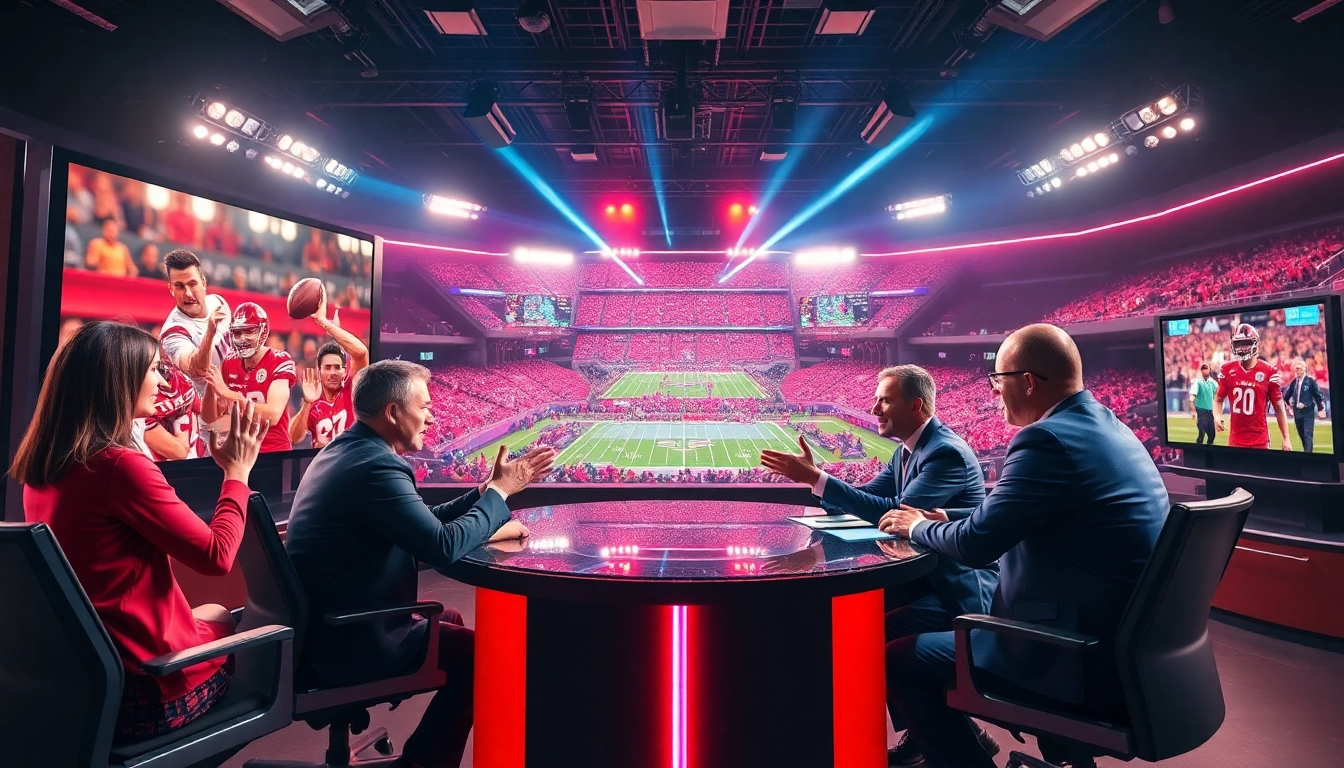
Understanding the Fundamentals of Sports Broadcasting
What is Sports Broadcasting?
Sports Broadcasting refers to the live transmission of sports events to an audience, covering a wide range of sports from football to basketball, soccer to baseball. It involves the use of media platforms such as television, radio, and internet streaming services. The primary objective is to engage viewers while delivering play-by-play commentary, analysis, and interactive content tailored for fans. With the rise of technology, Sports Broadcasting has evolved, creating dynamic experiences that cater to diverse audiences worldwide.
The Evolution of Sports Broadcasting
The history of sports broadcasting can be traced back to the early 20th century, when radio became the first medium to transmit live sports events. By the 1930s, baseball games were broadcasting live, which created great excitement among fans. The introduction of television in the 1950s revolutionized the industry, bringing sports directly into homes across the nation. The availability of cable and satellite technology further expanded access, allowing for 24-hour sports channels. In recent years, digital streaming has played a crucial role, facilitating greater access to international events and niche sports.
Key Elements of Successful Sports Broadcasting
To ensure that sports broadcasts are effective, several key elements must be incorporated:
- Quality Production: High-definition video and audio quality enhance viewer experience.
- Expert Commentary: Skilled sports commentators provide valuable insights, enhancing the overall narrative of the game.
- Interactive Content: Incorporating viewer polls and Q&A sessions can keep audiences engaged.
- Timely Reporting: Real-time stats and updates keep viewers informed and entertained.
Technology in Sports Broadcasting
Tools and Equipment for Effective Broadcasting
Broadcasting sports events requires advanced tools and equipment to ensure high-quality output. Some of the essential equipment includes:
- Cameras: Multi-angle cameras can capture different perspectives of the game.
- Microphones: High-quality microphones facilitate clear audio capture, preventing distractions from crowd noise.
- Broadcast Control Systems: These manage video feeds and audio levels, ensuring seamless transitions during live transmissions.
- Graphics and Data Systems: These deliver real-time scores and stats, enhancing viewer understanding.
Utilizing Software for Enhanced Viewer Experience
Various software solutions have emerged to improve the sports broadcasting experience. Software for live editing, graphics rendering, and remote broadcasting contribute significantly to the quality of the output. Programs that integrate social media feeds allow broadcasters to connect viewers more deeply, fostering a sense of community. Furthermore, AI-driven analytics tools provide insights on viewer engagement, allowing broadcasters to tailor content according to fan preferences.
The Role of Social Media in Sports Broadcasting
Social media has revolutionized how sports are consumed and discussed. Platforms such as Twitter, Instagram, and Facebook offer real-time commentary and allow fans to interact with each other while tuning into broadcasts. Social media can amplify reach and create viral moments out of key plays or controversial decisions. Broadcasters can harness this power to bridge the gap between traditional viewing methods and interactive experiences, enhancing overall engagement.
Audience Engagement Strategies in Sports Broadcasting
Creating Interactive Viewing Experiences
One of the most effective ways to engage audiences is by creating interactive experiences. This can be achieved through live polling, quizzes related to the event, and interactive apps that enhance the viewership experience. For instance, fans could predict plays or outcomes during the game, creating a lively atmosphere. Webinars or live chats with sports experts can also provide additional value, encouraging viewers to participate actively rather than passively watching.
Leveraging Analytics for Enhanced Engagement
Statistics play an essential role in understanding audience behavior. By using analytics tools, broadcasters can track viewer engagement, identify popular segments, and optimize content delivery. Data analytics can reveal insights into viewer retention rates, peak viewing times, and demographic preferences, allowing broadcasters to refine their strategies to maximize engagement.
Developing Community Through Sports Broadcasting
Building a community of engaged fans is crucial for long-term success in sports broadcasting. This can be accomplished by creating forums, fan clubs, and digital platforms where viewers can interact. Community-building initiatives such as charity events, local meet-and-greets with sports personalities, and fan contests not only boost engagement but also solidify brand loyalty.
Challenges in Sports Broadcasting
Addressing Technical Difficulties
One of the significant challenges in the sports broadcasting industry is the occurrence of technical difficulties. Issues like signal loss, equipment failure, and software glitches can disrupt live events, leading to dissatisfaction among viewers. To address this, broadcasters should ensure rigorous testing of equipment before events and have backup systems in place. Continuous training for staff on troubleshooting techniques can empower teams to resolve issues swiftly.
Navigating Legal and Licensing Issues
Broadcasting rights can be a complex area fraught with legal challenges. It’s critical for broadcasters to understand licensing agreements, which dictate how and where sports content can be shown. Engaging legal experts who specialize in media rights can help navigate these complexities and avoid costly legal battles. Additionally, transparent communication with viewers about when and how events will be aired fosters trust.
Managing Audience Expectations
Every audience has specific expectations regarding the quality and content of sports broadcasts. Meeting these expectations can pose a challenge, especially when aligning content with diverse audience interests. Incorporating audience feedback through surveys and social media interactions can be beneficial in understanding their preferences and enhancing future broadcasts.
The Future of Sports Broadcasting
Emerging Trends to Watch
The landscape of sports broadcasting is continually evolving. Trends such as on-demand content, personalized viewing experiences, and subscription-based models are reshaping how audiences consume sports. The shift toward sustainability and addressing viewer concerns about environmental impact are also influencing production decisions. Staying ahead of these emerging trends can position broadcasters to remain competitive in an ever-changing market.
The Impact of Virtual Reality on Sports Broadcasting
Virtual reality (VR) is set to disrupt the traditional viewing experience by enabling viewers to immerse themselves in live sports events. VR technologies allow fans to experience games from unique vantage points, almost as if they were in the stadium. While still in its infancy, the potential for VR in sports broadcasting would redefine fan engagement and accessibility.
Preparing for the Next Generation of Broadcasting
The next generation of sports broadcasting will be defined by advanced technologies, such as artificial intelligence and augmented reality. Broadcasters who adapt to these changes by investing in new technologies and nurturing talent in emerging fields will be better positioned to meet future demands. Continuous training and interdisciplinary collaborations will be necessary to keep pace with the technological advancements influencing the industry.
FAQs
What is the main purpose of Sports Broadcasting?
The main purpose of Sports Broadcasting is to deliver live sports events to audiences and enhance viewer engagement through commentary, analysis, and interactive content.
How has technology impacted Sports Broadcasting?
Technology has significantly improved viewing quality, enabling multi-angle cameras, real-time statistics, and interactive features that elevate the sports broadcasting experience.
What are common challenges in Sports Broadcasting?
Common challenges include technical difficulties, navigating legal licensing issues, and managing diverse audience expectations regarding content and quality.
How does social media influence Sports Broadcasting?
Social media amplifies sports broadcasting by enabling live interaction, facilitating discussions, and providing a platform for sharing highlights and moments.
What trends are shaping the future of Sports Broadcasting?
Emerging trends include on-demand content, personalized experiences, virtual reality, and the influence of social media in changing how sports are consumed.