
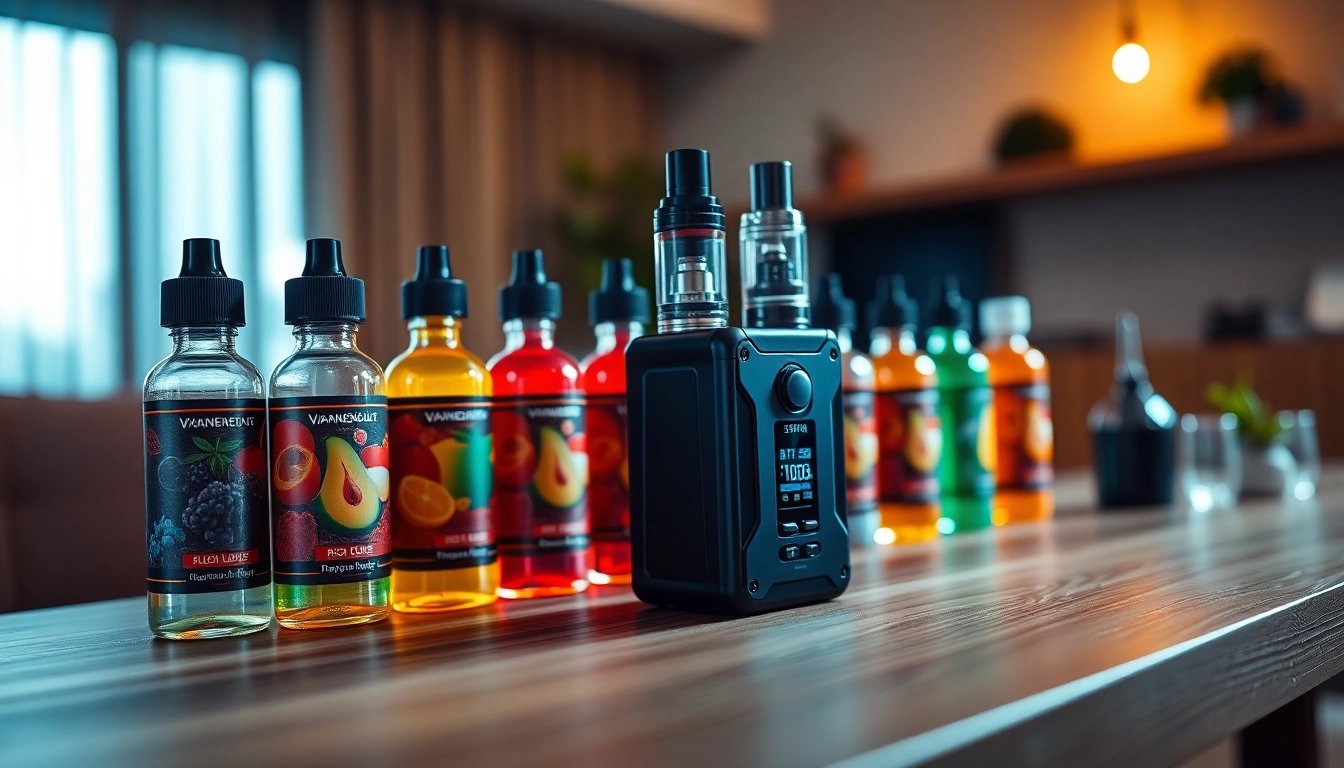
Understanding Vape & E-Liquids
The vaping industry has seen a tremendous rise in popularity over the past decade, transforming from a niche market into a mainstream phenomenon. Within this dynamic landscape, Vape & E-Liquids play a pivotal role, serving as the primary medium through which users experience the act of vaping. This comprehensive guide aims to delve into the intricate world of vape and e-liquids, exploring their definitions, varieties, and significance in enhancing the vaping experience.
What Are Vape & E-Liquids?
Vape liquids, commonly referred to as e-liquids or vape juices, are liquids specifically formulated for use in vape devices. They typically consist of a base fluid, such as propylene glycol (PG) or vegetable glycerin (VG), combined with flavoring agents and, in many cases, nicotine. The blend of these ingredients creates a vapor when heated in a vaping device, which users inhale. Understanding the composition and purpose of these liquids is crucial for both new and experienced vapers.
Types of Vape & E-Liquids Available
Vape and e-liquids are available in a multitude of types, catering to diverse preferences and needs:
- Nicotine Salts: Made by combining traditional nicotine with organic compounds, nicotine salts offer a smoother throat hit and are ideal for high-nicotine concentrations.
- Standard E-Liquids: These typically contain freebase nicotine, available in various strengths, and are great for sub-ohm vaping, producing larger vapor clouds.
- CBD E-Liquids: Infused with cannabidiol, these liquids allow users to experience the benefits of CBD without the psychoactive effects of THC.
- Flavor Concentrates: Highly concentrated versions of flavors that need to be mixed into a base liquid. They offer customization for more experienced vapers.
The Importance of Quality Ingredients
The quality of ingredients in vape and e-liquids cannot be overstated. Premium e-liquids utilize food-grade flavorings and high-quality PG and VG. Sub-par products may contain harmful chemicals or inferior flavorings, leading to health risks and diminished vape experience. Understanding and choosing high-quality liquids enhances not only the flavor but also the safety and satisfaction of the vaping experience.
Flavor Profiles in Vape & E-Liquids
The flavors available in vape liquids play a crucial role in the overall enjoyment of vaping, influencing everything from user satisfaction to brand loyalty. With an ever-expanding array of flavor profiles, vapers have more options than ever.
Fruit vs. Dessert Flavors: What to Choose?
When it comes to flavors, two major categories stand out: fruits and desserts. Fruit flavors often impart a refreshing, light quality, while dessert flavors deliver richness and sweetness. Choosing between the two largely depends on personal preference:
- Fruit Flavors: These are popular for their crisp and refreshing tastes, making them ideal for daily vaping.
- Dessert Flavors: These tend to be richer and are often preferred during leisurely vaping sessions due to their indulgent nature.
Experimenting with both types can enhance the vaping experience, leading users to discover their personal favorites.
How Flavor Influences Vaping Experience
Flavor significantly impacts both the physiological and psychological aspects of the vaping experience. A well-chosen flavor can evoke memories and emotions, creating a more enjoyable session. Additionally, flavor quality influences throat hit and overall satisfaction, playing a critical role in determining how frequently users vape throughout the day.
Trends in Flavor Development
The flavor industry in vaping is continuously evolving, with new trends emerging frequently. Recent trends include:
- Complex Flavors: Many brands are creating layered flavors that combine multiple tastes for a unique experience.
- Tobacco Revival: A renewed interest in tobacco-flavored e-liquids, as they appeal to former cigarette smokers.
- Natural Flavors: An increasing demand for e-liquids made with natural flavorings as consumers become health-conscious.
Vaping Techniques for Enhancing Flavor
To fully appreciate the rich spectrum of flavors available in e-liquids, it's essential to understand various vaping techniques. The method employed can dramatically enhance or detract from the flavor experienced.
Proper Device Setup for Optimal Flavor
Your vaping device's setup is paramount in achieving optimal flavor. This includes choosing the right coil type, wattage, and airflow settings to suit your specific e-liquid:
- Coils: Different coils produce varying flavor intensity. Experiment with materials like Kanthal, Nickel, and Stainless Steel.
- Wattage: Adjusting wattage affects how heat influences flavor. Between 30-60 watts usually offers a well-balanced vaping experience.
- Airflow: Modifying airflow can enhance flavor production. More air leads to lighter flavors, while restricted airflow magnifies taste.
How to Prime E-Liquids for Best Performance
Priming your e-liquids is essential to prevent dry hits and enhance flavor. Here’s how to properly prime your coils:
- Apply a few drops of e-liquid directly onto the cotton wick to saturate it.
- Reassemble and allow the tank to sit for several minutes, so the wicks are fully saturated.
- Begin at a lower wattage and gradually increase to avoid burning the wick.
Inhale Techniques that Elevate Experience
How one inhales can significantly affect flavor perception. Here are some inhalation techniques that can elevate the experience:
- Mouth-to-Lung (MTL): Inhale into the mouth, allowing you to savor the flavor before taking it into the lungs.
- Direct Lung (DL): A more direct technique, providing massive vapor clouds and intense flavor, suited for sub-ohm users.
Health Considerations with Vape & E-Liquids
As vaping continues to rise in popularity, understanding health considerations related to vape and e-liquids is critical. This section aims to shed light on various ingredients and their implications.
Understanding Nicotine Levels
Nicotine is a primary component in many e-liquids, and its level varies significantly across different products. Users must choose nicotine concentrations based on personal preferences and smoking habits:
- Low Nicotine (0-6 mg): Ideal for casual vapers or those looking to cut back on nicotine.
- Medium Nicotine (6-12 mg): A common choice for moderate smokers transitioning to vaping.
- High Nicotine (12-24 mg): Suitable for heavy smokers, offering a stronger throat hit and quicker satisfaction.
The Role of PG and VG in E-Liquids
Propylene Glycol (PG) and Vegetable Glycerin (VG) are the two primary base ingredients in e-liquids. They have distinct characteristics:
- Propylene Glycol (PG): Thinner and provides a stronger throat hit, closely mimicking the feel of traditional tobacco.
- Vegetable Glycerin (VG): Thicker and sweeter, VG produces larger vapor clouds and has a smoother mouthfeel.
Potential Health Risks and Safety Practices
While vaping is often perceived as a safer alternative to smoking, it’s not without potential health risks:
- Understanding the source and quality of ingredients can mitigate exposure to harmful substances.
- Regularly cleaning devices and using e-liquids stored in cool, dark conditions can prevent degradation.
- Monitoring personal health for any adverse reactions to ingredients, such as flavorings or nicotine concentrations.
The Future of Vape & E-Liquids Industry
The landscape of the vape and e-liquids industry is continually evolving. With emerging trends and technological advancements, the future looks promising yet complex.
Emerging Trends and Consumer Preferences
As consumer preferences shift, the industry must adapt, embracing several emerging trends:
- Flavors and Customization: Consumers are gravitating toward more personalized experiences, seeking unique flavors and custom blends.
- Sustainability: Eco-friendly packaging and ingredient sourcing are playing a significant role in brand identity and consumer choice.
- Health Awareness: A growing focus on transparency regarding product safety and ingredient sourcing is influencing purchase decisions.
Technological Advancements in E-Liquids
Technological innovations continue to shape the future of e-liquids, leading to enhanced user experiences. Key advancements include:
- Smart Vaping Devices: Devices that adjust settings based on e-liquid viscosity and user behavior for optimized experiences.
- Advanced Quality Control: Improved manufacturing techniques ensuring consistency and safety of e-liquids.
- Innovative Delivery Systems: New technologies such as pod systems and disposable vape pens catering to convenience-seeking consumers.
Legislation Impacting the Vape Market
Legislation surrounding vaping is continually changing, influenced by public health studies and advocacy. New regulations may shape how products are marketed, sold, and taxed. Keeping abreast of legislative changes is crucial for both consumers and manufacturers alike.