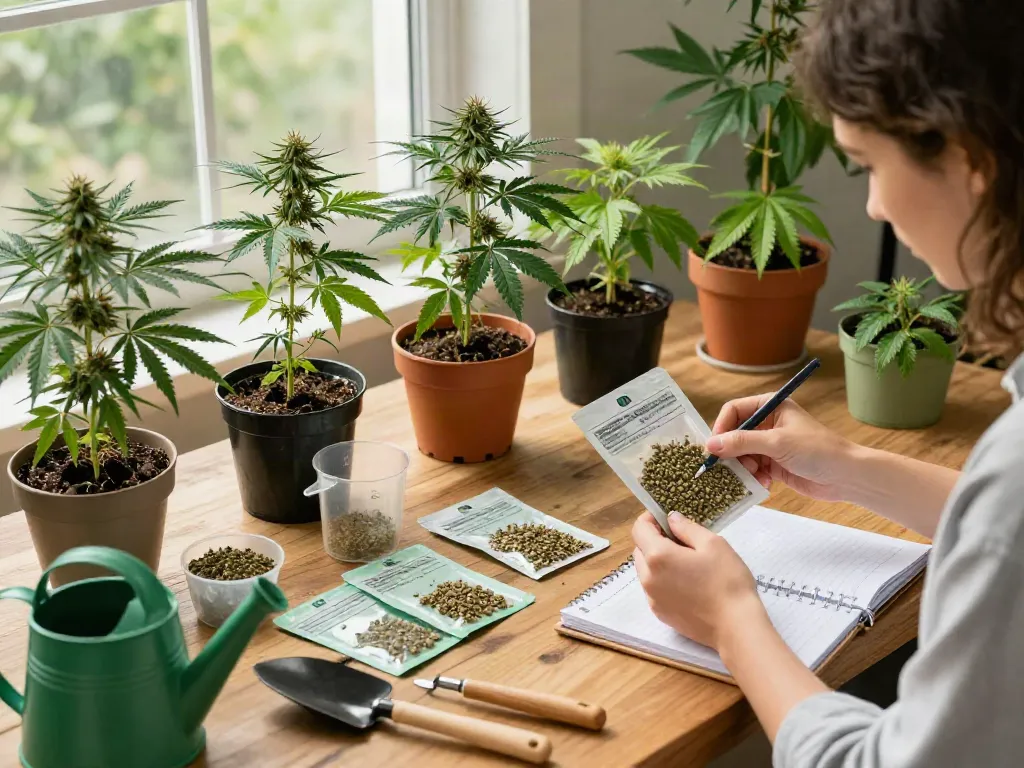
Understanding the Benefits of CBD
Cannabidiol (CBD), a non-psychoactive compound found in the hemp plant, has gained significant attention in recent years for its potential wellness benefits. As more individuals look for natural alternatives to traditional medications, CBD has emerged as a popular choice among wellness enthusiasts. From anxiety relief to improved sleep quality, research suggests that incorporating CBD into your daily routine may offer various therapeutic effects. If you’re interested in exploring high-quality options, you can buy weed online and discover the benefits for yourself.
What are the Health Benefits of CBD?
Research indicates that CBD may possess numerous health benefits, including:
- Anxiety and Stress Relief: Studies suggest that CBD can help reduce anxiety levels by interacting with serotonin receptors in the brain.
- Improved Sleep Quality: Individuals suffering from insomnia or sleep disturbances may find that CBD promotes better sleep by addressing the underlying causes of restlessness.
- Pain and Inflammation Reduction: Many users report that CBD helps in managing chronic pain and inflammation by influencing endocannabinoid activity.
- Focus and Mental Clarity: Long-term CBD users often highlight enhanced focus and cognitive function, providing a potential aid for individuals with attention difficulties.
- Post-workout Recovery: Athletes have turned to CBD for its anti-inflammatory properties, which can assist in muscle recovery after exercise.
How CBD Affects the Endocannabinoid System
The endocannabinoid system (ECS) is a complex cell-signaling system involved in regulating various physiological processes, including mood, pain perception, and immune response. CBD interacts with the ECS by modulating receptors, mainly by preventing the breakdown of the endocannabinoid anandamide, which can lead to enhanced emotional and physical well-being. By promoting balance within the ECS, CBD may help address a range of health issues, thereby contributing to overall wellness.
Real-Life Applications of CBD for Wellness
Real-world applications of CBD are diverse. Many individuals integrate CBD products into their wellness routines to combat stress before important events or to enhance relaxation after a long day. Others use topical CBD formulations to target localized discomfort from injuries or chronic conditions. As the market continues to grow, more people are finding innovative ways to use CBD to enrich their lives and support their health objectives.
Exploring Different CBD Product Types
As the CBD industry matures, consumers now have access to an array of products designed for various needs and preferences. Whether you prefer oils, edibles, or topicals, understanding the differences can help you select the right option for your wellness journey.
Oils, Tinctures, and Their Usage
CBD oils and tinctures are among the most popular forms of CBD due to their versatility and ease of use. These products can be administered sublingually, providing rapid absorption into the bloodstream. Dosing can vary significantly based on factors like individual tolerance and desired effects, making it crucial to start with a lower dose and adjust gradually. Most users begin with a concentration of 10-25 mg of CBD, reassessing after a week based on their experience.
Edibles: Gummies, Chocolates, and More
CBD-infused edibles are an enjoyable way to consume CBD, especially for those who may find the taste of oils unappetizing. Gummies, chocolates, and beverages offer measured doses, but the onset time can be delayed due to digestion. On average, effects from edibles can take between 30 minutes to 2 hours to manifest, depending on metabolic factors. Additionally, this method can promote long-lasting effects compared to other forms of consumption.
Topicals, Vapes, and Delivery Methods
Topicals like creams, balms, and patches are designed for direct application on the skin, targeting localized areas of pain or inflammation. They provide benefits without entering the bloodstream, allowing for targeted relief. Vaping remains a popular alternative for those seeking rapid onset of effects. CBD vape products, available in cartridges or disposables, allow users to inhale vaporized CBD, delivering effects almost instantly. It is important to note that while vaping can provide quick relief, one should maintain an awareness of potential health impacts related to lung health.
Using CBD Safely: Dosage Guidelines
How to Calculate Your Ideal CBD Dose
Finding the correct CBD dosage can involve some experimentation. General recommendations suggest starting with a dose based on body weight; generally, 1-6 mg of CBD per 10 pounds of body weight is a common guideline. However, individual factors such as metabolism, health status, and desired effects can influence your optimal dose.
Starting Slow: The Titration Method
The titration method involves starting with a low dose and gradually increasing it until the desired effects are achieved. This approach can help users avoid potential side effects like drowsiness or digestive upset. Monitor your body’s responses and adjust accordingly, ensuring any changes are made incrementally.
Common Misconceptions About CBD Dosing
Many myths surround CBD dosing, including the belief that more is always better. In reality, effective dosages can vary widely between individuals, and a higher dose does not necessarily equate to better results. It is advisable to maintain an open dialogue with healthcare professionals when determining your dosing strategy, especially if you are taking other medications.
Assessing Quality: Understanding COA and Certifications
Importance of Third-Party Testing
Quality control is crucial in the CBD industry. Reputable brands conduct third-party lab testing to verify product potency and screen for contaminants. Certificates of Analysis (COAs) are essential for consumers seeking transparency regarding what’s in their products. Always look for COAs when purchasing CBD to ensure you are consuming safe and effective products.
How to Read a Certificate of Analysis
Understanding a COA involves recognizing key aspects such as total cannabinoid content, terpene profiles, and contaminant testing results. Look for the following when reviewing COAs:
- Potency: Ensure that cannabinoid levels match the labeling.
- Contaminants: Verify that the product is free from pesticides, heavy metals, and solvents.
- Microbial Testing: Confirm that the product is safe from harmful bacteria or mold.
Recognizing Reputable Brands in the CBD Market
Selecting a trustworthy brand involves careful research. Look for companies that prioritize transparency, quality sourcing, and robust lab testing. Additionally, consumer reviews and ratings may provide insight into the effectiveness and reliability of different products.
Legalities and Compliance in the CBD Industry
Current State Laws and Federal Regulations (2026)
The legalization of hemp-derived CBD in the United States was significantly influenced by the 2018 Farm Bill, which legalized the growth of hemp containing less than 0.3% THC. However, state-level regulations can vary widely, meaning that legality may differ from one state to another. Always verify your local laws regarding CBD products before purchasing or using them.
Understanding THC Levels and Legal Implications
To remain compliant with federal regulations, CBD products must contain less than 0.3% THC. Products exceeding this limit may be classified as illegal marijuana under federal law, leading to potential legal ramifications for consumers. Therefore, always check product certifications to ensure compliance.
Staying Updated on Legal Changes and Compliance
The CBD landscape is continually evolving, and staying informed about changes in legislation is crucial for both consumers and producers. Follow reliable news sources and industry updates to remain aware of potential legal changes that may impact your access to CBD products.
What are the side effects of using CBD?
While CBD is generally well-tolerated, some users may experience side effects such as drowsiness, dry mouth, or changes in appetite. It’s essential to recognize that individual responses to CBD can vary, making it important to start with low doses and monitor any adverse reactions.
How does CBD interact with other medications?
CBD can interact with certain medications, particularly blood thinners and anti-seizure medications. It’s essential to consult a healthcare professional before adding CBD to your regimen, especially if you are on multiple prescriptions.
What to look for in high-quality CBD products?
High-quality CBD products should feature clear labeling, transparent sourcing practices, and third-party testing. Look for products that are derived from organically grown hemp and emphasize a full-spectrum profile to take advantage of the entourage effect.
Are there different types of CBD available on the market?
Yes, there are three primary types of CBD products: full-spectrum, broad-spectrum, and CBD isolate. Full-spectrum CBD contains all cannabinoids, including trace amounts of THC. Broad-spectrum includes multiple cannabinoids but is THC-free, while isolates contain purely CBD. Each type has its own advantages and is suited to different preferences and needs.
How to store CBD products for maximum shelf life?
To maintain potency and extend shelf life, it is advisable to store CBD products in a cool, dark place, away from direct sunlight and heat. For more information, buy pre-rolls online offers valuable insights. Proper storage can help ensure the product retains its effectiveness over time.