
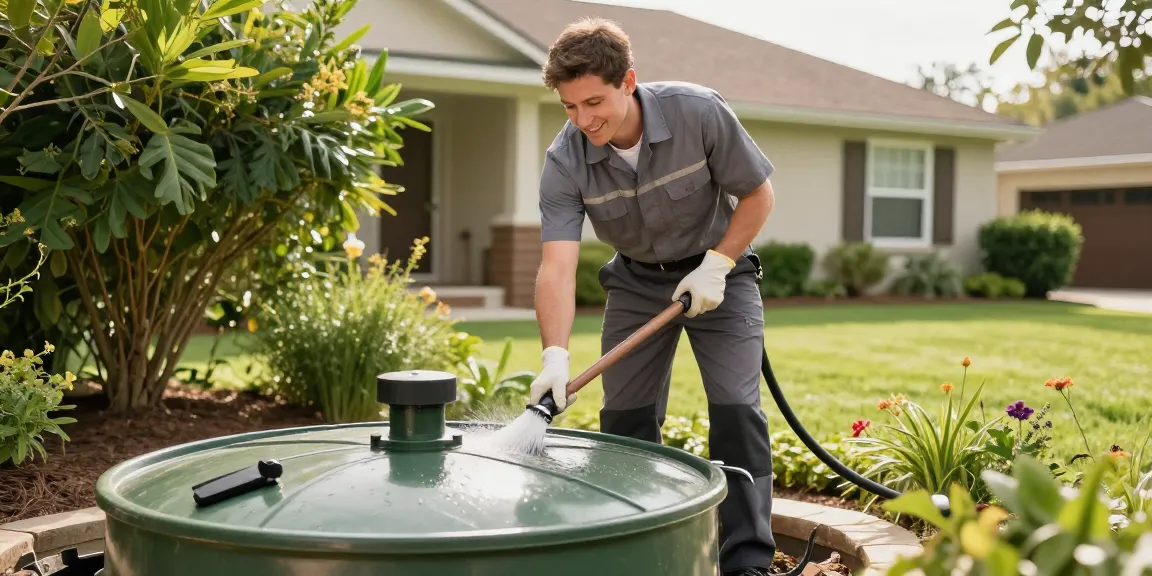
Understanding Septic Cleaning: What to Expect
When it comes to maintaining your home, one essential yet often overlooked aspect is the septic system. Regular septic cleaning is vital to ensure the proper functioning of this critical component of your property. This service involves removing accumulated waste and sludge from your septic tank, which helps prevent system failures and costly repairs down the road. Whether you’re a homeowner or a property manager, understanding what septic cleaning entails can help you keep your property safe and functional.
Overview of Septic Cleaning Services
Septic cleaning is primarily performed by licensed and insured service providers who specialize in the maintenance of septic systems. The service typically includes pumping out the tank, inspecting for potential issues, and cleaning the lines leading to and from the tank. A thorough cleaning is recommended every 3 to 5 years, depending on the tank’s size and the number of users.
Signs Your Septic Tank Needs Cleaning
- Unpleasant odors around the tank area.
- Gurgling sounds in your plumbing.
- Slow drainage in sinks, bathtubs, or toilets.
- Pooling water or lush vegetation over the drain field.
These symptoms can indicate a buildup of sludge in your tank or a problem in the drainage area. Ignoring these signs can lead to system backups and costly repairs.
Importance of Regular Septic Maintenance
Just like any other system in your home, preventative maintenance is crucial for your septic system. Regular cleaning helps avoid emergencies, prolong the life of your septic system, and protect your property value. Failing to maintain your septic can lead to sewage leaks, health hazards, and significant financial loss.
Choosing the Right Local Septic Cleaning Provider
Finding the right septic cleaning service provider in your area is essential for ensuring that your septic system is well-maintained. You want a company that is reputable, reliable, and knowledgeable about local regulations. Consider factors such as experience, customer reviews, and community involvement when selecting your provider.
Credentials and Certifications to Look For
When selecting a septic service provider, ensure they are licensed and certified. Check if they follow local regulations regarding sanitary disposal methods and have proper insurance coverage. This not only guarantees quality service but also protects you from any liability during the work.
Comparing Local Providers: Price and Services
Prices for septic cleaning can vary widely based on the complexity of the job and the provider’s expertise. Get estimates from several companies, and don’t be afraid to ask for a breakdown of costs. Compare the services offered in relation to the fee to ensure you’re getting value for your money.
Community Involvement and Reputation
A reputable company often has strong ties to the local community. Look for companies that contribute to local initiatives or are well-reviewed by other homeowners. Online reviews and testimonials can offer valuable insights into a provider’s reliability and quality of service.
Septic Cleaning Prices: A Comprehensive Guide
Understanding the typical costs associated with septic cleaning can help you budget accordingly and prevent any unexpected expenses. On average, the cost for septic tank cleaning can range between $250 and $500, depending on factors like tank size and accessibility.
Average Costs for Septic Cleaning in 2026
As of 2026, the average expense for septic cleaning in the Dallas area generally falls between $366 to $480, with some larger tanks costing upwards of $783. It’s essential to consider the size of your system, frequency of cleaning, and local market rates when budgeting for this necessary service.
Factors Affecting Price: Tank Size and Location
Several factors can influence the cost of septic cleaning. Larger tanks require more work and, consequently, higher fees. Additionally, the location of your tank can affect accessibility, resulting in variations in labor costs during service. Always clarify with your provider how these factors might affect your total bill.
Tips for Getting Accurate Estimates
- Gather multiple estimates from local providers.
- Discuss your specific needs and mention any issues you’ve experienced.
- Ask for detailed breakdowns of the services included in their pricing.
- Check for seasonal promotions or discounts.
Taking these steps can help ensure you receive thorough and fair pricing for your septic cleaning services.
What to Expect During a Septic Cleaning Appointment
Understanding what to expect during the septic cleaning process can make it easier for homeowners to prepare and engage with their service provider meaningfully. Here’s a breakdown of the steps typically involved.
Pre-Visit Checklist for Homeowners
Before the cleaning service arrives, there are several preparations you should complete, including:
- Clear any debris or obstructions around the septic tank cover.
- Provide access to indoor plumbing if necessary.
- Make a note of any signs of issues you’ve observed, such as slow drainage.
Step-by-Step Process of Septic Cleaning
During the cleaning, a technician will:
- Inspect the site and access the septic tank.
- Pump out the sewage and sludge using specialized equipment.
- Clean the inlet and outlet baffles to ensure proper flow.
- Inspect the tank for structural integrity and signs of damage.
This thorough process helps restore your system’s efficiency and avoids future complications.
Post-Cleaning Maintenance Tips
After the cleaning process, consider these maintenance tips to prolong the life of your septic system:
- Limit water use to prevent overloading the system.
- Avoid flushing non-biodegradable items.
- Plan for regular inspections and pumping every 3 to 5 years.
FAQs About Septic Cleaning Services
How Often Should I Have My Septic Tank Cleaned?
Most experts recommend cleaning your septic tank every 3 to 5 years. However, the frequency can vary based on your household size, tank capacity, and your usage patterns.
What Are the Risks of Neglecting Septic Cleaning?
Neglecting septic cleaning can lead to clogged pipes, system failures, and costly repairs. It can also cause environmental hazards due to leakages, making it critical to keep up with maintenance schedules.
Can I Perform My Own Septic Cleaning?
While DIY efforts may seem appealing, septic cleaning is complex and requires specialized knowledge and equipment to ensure safety and compliance with local regulations. For more information, Miltonsepticpumping.com offers valuable insights. It’s best to leave this task to licensed professionals.


