
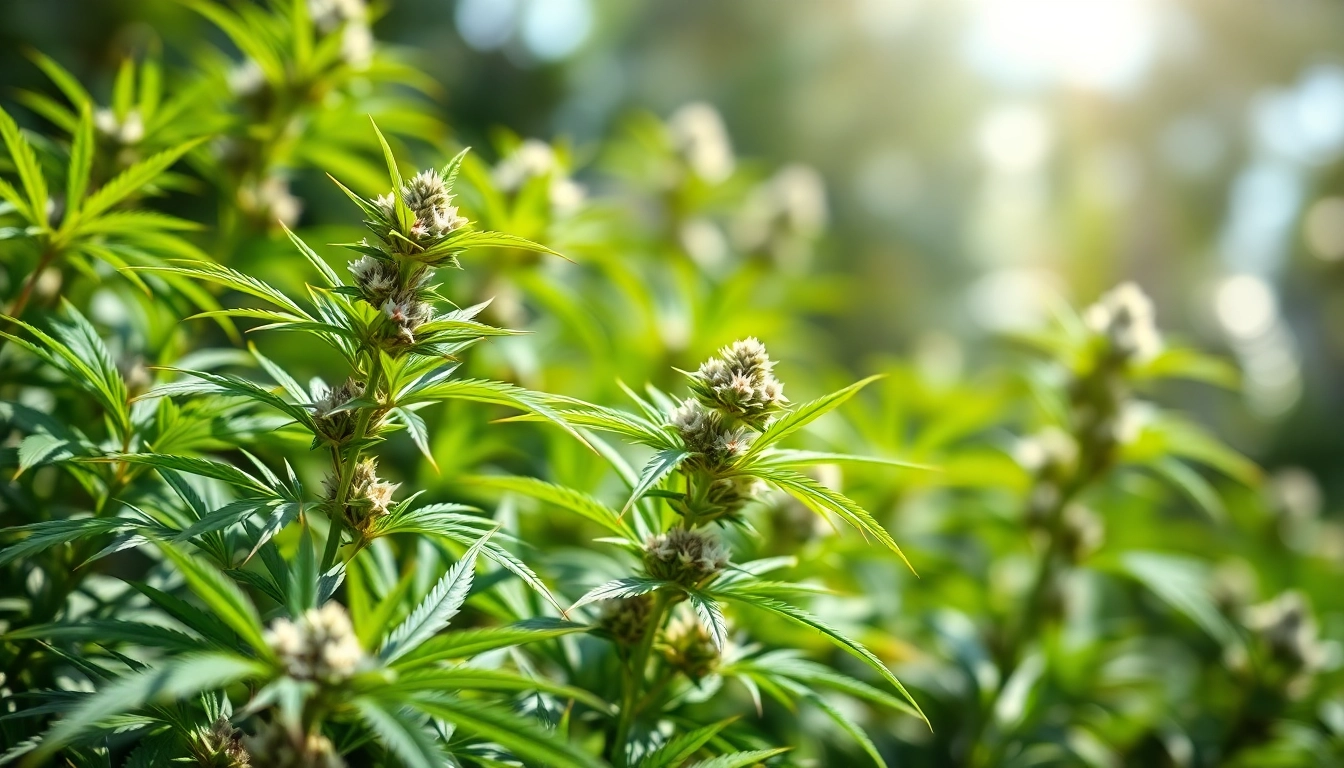
What is CBD? An Introduction to Its Origins
Cannabidiol, commonly known as CBD, is a chemical compound derived from the Cannabis sativa plant. Unlike its more famous relative, tetrahydrocannabinol (THC), CBD is non-psychoactive, meaning it does not produce a "high." This important distinction has made CBD a subject of growing interest in medical and wellness communities. As a versatile compound, CBD has been incorporated into a wide variety of products, ranging from oils and edibles to topical creams. The popularity of CBD is not without justification; ongoing research is uncovering its potential therapeutic benefits, leading many to explore its uses in conjunction with more traditional treatments. For an in-depth exploration of different CBD options, you can refer to CBD.
The Science Behind CBD
CBD interacts with the body through the endocannabinoid system (ECS), a complex network of receptors and neurotransmitters involved in regulating various physiological processes, including mood, pain sensation, and immune responses. The ECS comprises two primary receptors: CB1 and CB2. CB1 receptors are primarily located in the brain and central nervous system, while CB2 receptors are found mostly in the peripheral nervous system and immune cells. CBD’s ability to bind to these receptors—and its influence on them—can affect how the body processes pain, anxiety, and inflammation.
Historical Context and Use of CBD
The use of cannabis for medicinal purposes dates back thousands of years. Ancient texts from as early as 2737 B.C. reference its use in traditional Chinese medicine. However, the modern exploration of CBD began in the 20th century, particularly after isolating the compound in the 1940s. Over the decades, public and scientific interest has fluctuated, particularly as more states and countries began to legalize cannabis for medicinal and recreational use. Legislative changes, coupled with emerging clinical studies, have brought CBD back into the spotlight as a promising compound in health and wellness.
How CBD Differs from THC
While CBD and THC both originate from cannabis, their effects are markedly different. THC is the compound responsible for the psychoactive effects commonly associated with cannabis use. Unlike THC, CBD does not bind strongly to the CB1 receptors in the brain, which is why it doesn’t induce psychoactive effects. Instead, CBD exhibits a variety of potential therapeutic properties, including anti-inflammatory, anti-anxiety, and analgesic effects, making it a compelling alternative for individuals seeking relief without the high associated with THC.
Health Benefits of CBD: Fact vs. Fiction
As interest in CBD grows, so do the myths and misconceptions surrounding its effectiveness. Understanding the true benefits rooted in science is crucial for potential users.
Common Myths About CBD
One prevalent myth is that all CBD products will get you high. This misconception fails to recognize that CBD is non-psychoactive and can be derived from hemp, which contains negligible THC levels. Additionally, some believe that CBD is a cure-all solution for various ailments. While research indicates promising benefits for conditions such as anxiety and chronic pain, more investigation is needed to substantiate claims of efficacy across all health issues.
Research-Backed Benefits of CBD
Recent studies have highlighted several potential health benefits of CBD. For example, research suggests CBD may effectively reduce anxiety in both human and animal models. A review published in the Journal of the American Medical Association found preliminary evidence indicating CBD may aid in treating anxiety, insomnia, and chronic pain. Furthermore, CBD's anti-inflammatory properties show promise in conditions such as arthritis and other inflammatory diseases. For individuals exploring alternatives for epilepsy treatment, CBD has also been linked to reduced seizure frequency, notably in conditions like Dravet syndrome and Lennox-Gastaut syndrome.
Potential Side Effects and Risks
Despite its many touted benefits, CBD is not free from side effects. Commonly reported side effects include dry mouth, fatigue, and changes in appetite. Consulting with a healthcare provider is essential, especially for individuals taking medication, as CBD may interact with various drugs, including blood thinners. Comprehensive understanding and caution should be exercised when adding CBD to health regimens to mitigate potential adverse effects.
How to Use CBD: Different Forms and Their Effects
Choosing the right form of CBD depends on individual needs, preferences, and health conditions. The market offers a myriad of options, each boasting unique advantages and disadvantages.
Choosing Between Oils, Edibles, and Topicals
CBD oils, also known as tinctures, can be consumed sublingually (under the tongue), providing rapid absorption into the bloodstream. Edibles, such as gummies or baked goods, offer a convenient and tasty method of consuming CBD but may take longer to produce effects due to the digestive process. Topicals, including creams and lotions, are applied directly to the skin and are ideal for localized relief from pain or inflammation. Each form's bioavailability and effectiveness differ, necessitating careful consideration for users aiming for specific results.
Recommended Dosages and Consumption Methods
The optimal CBD dosage varies between individuals, influenced by factors like body weight, metabolism, and the specific condition being treated. Generally, starting with a low dose—such as 5-10 milligrams of CBD daily—and gradually increasing it is advisable until the desired effects are achieved. Consulting with a healthcare professional can aid in determining an appropriate starting point. Tracking your response to the dosage changes can inform ongoing adjustments for optimal results.
Effectiveness of Various CBD Products
Research suggests that the effectiveness of CBD may be influenced by its delivery method. For instance, while inhalation methods, such as vaping, provide rapid onset of effects, they may also pose respiratory risks. Conversely, topical applications may not penetrate deeply enough for systemic effects but could be beneficial for localized relief. Assessing individual health goals and lifestyle preferences is crucial in selecting the most effective CBD product.
Legal Status and Regulations Surrounding CBD
The legal landscape for CBD use is complex and continues to evolve. Understanding the nuances between federal and state regulations is essential for users.
Understanding CBD Legislation in the US
In 2018, the Farm Bill legalized hemp-derived CBD containing less than 0.3% THC at the federal level. However, state laws vary significantly regarding CBD sales and usage. Some states have embraced CBD for both medical and recreational use, while others impose strict restrictions. Users must familiarize themselves with local laws to ensure compliance and avoid legal repercussions.
How State Laws Affect CBD Use
Even in states where CBD is legal, regulations regarding its sale and distribution may apply. For example, some states only permit CBD use for specific medical conditions or patient groups, which could complicate access for others. Additionally, states may require products to undergo rigorous testing and labeling standards, contributing to variances in product quality and reliability across markets.
The Future of CBD Regulation
As research continues to unveil more about CBD’s potential benefits and risks, future legislative efforts may introduce more standardized regulations. Increased universal guidelines could promote consumer protection, ensure product quality, and foster public confidence in CBD products. Stakeholders in the industry, including consumers, researchers, and policymakers, play a vital role in shaping these discussions.
Choosing Quality CBD: What to Look for
The influx of CBD products available can make it challenging for consumers to identify quality options. Educational investment in product selection is crucial for safe and effective use.
Understanding CBD Product Labels
Product labels are essential for informing consumers about what they are purchasing. Look for important information, such as the type of CBD (full-spectrum, broad-spectrum, or isolate), concentration per serving, and a complete list of ingredients. Products should also clearly state their THC content, ensuring compliance with legal standards.
Importance of Lab Testing and Transparency
Reputable CBD manufacturers often provide third-party lab results for their products. These results verify the actual cannabinoid content and identify the presence of contaminants like pesticides, heavy metals, or solvents. Transparency in lab testing reassures consumers regarding product safety and efficacy, particularly in a market where product labeling may not be strictly regulated.
Finding Reputable CBD Brands
Researching brands and their reputations through customer reviews, industry certifications, and participation in professional organizations can help consumers find trustworthy sources of CBD. Engage with online communities and resources that discuss experiences and recommendations for reputable brands. Prioritizing quality over cost can ensure that users benefit from the promised effects of CBD without compromising their safety.