
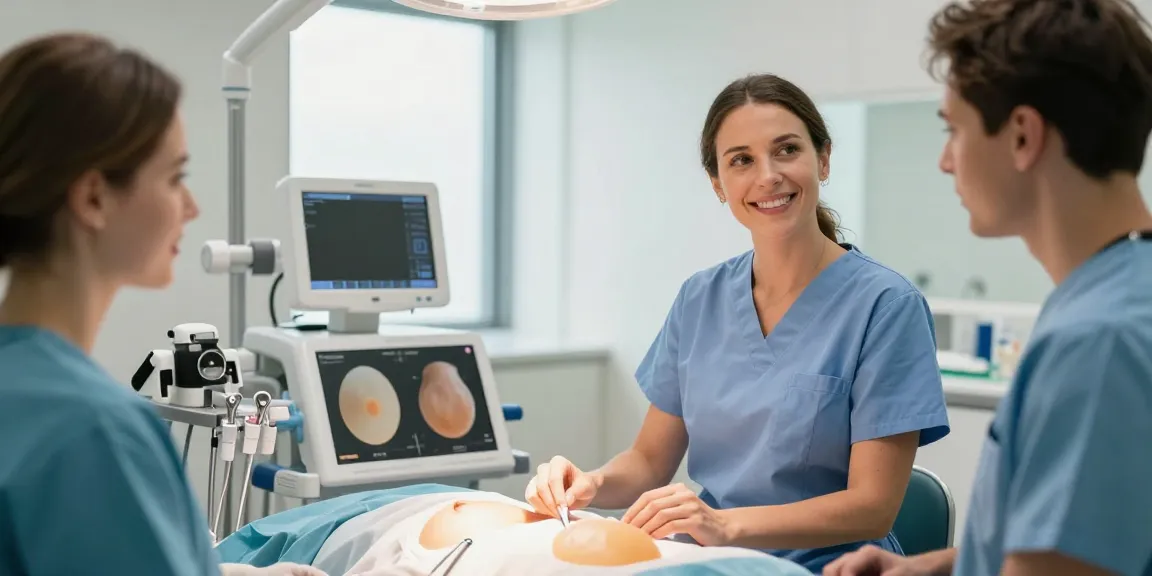
Understanding Breast Augmentation
Breast augmentation is a popular cosmetic procedure that enhances the size and shape of a woman’s breasts. Whether driven by aesthetic preferences, changes in body shape due to aging, pregnancy, or weight loss, many women consider this surgical enhancement to boost their self-esteem. With advancements in technology and surgical techniques, achieving natural-looking results has become easier than ever. When exploring options, breast augmentation provides comprehensive insights into the various approaches available, helping candidates make informed decisions.
What is Breast Augmentation?
Breast augmentation, also known as augmentation mammoplasty, involves the use of breast implants or fat transfer to increase breast volume and enhance their contour. It is one of the most frequently performed cosmetic surgeries, offering significant improvements to both appearance and personal confidence. The main reason individuals opt for this procedure is to attain fuller, more symmetrical breasts that align with their aesthetic goals.
Benefits of Breast Augmentation
- Enhanced Self-Confidence: Many women report a boost in self-esteem and body confidence post-surgery.
- Improved Body Proportions: Breast augmentation can help create a more balanced silhouette, enhancing overall body shape.
- Correction of Asymmetry: Wide variations in breast size and shape among women can be corrected, ensuring a harmonious appearance.
- Restoration of Volume: Breast implants can restore volume lost due to aging, weight loss, or pregnancy.
- Long-Lasting Results: With proper care and maintenance, breast augmentations can yield long-term results.
Types of Implants and Procedures
There are primarily two types of breast implants used in augmentation surgeries: saline and silicone. Saline implants are filled with sterile salt water and can be adjusted for size, providing a uniform shape. On the other hand, silicone implants, filled with a cohesive gel, tend to mimic the natural feel of breast tissue more closely. Surgeons also offer various surgical techniques for implant placement—submuscular (under the muscle) or subglandular (over the muscle)—which can influence recovery time and aesthetic outcomes.
Are You a Candidate for Breast Augmentation?
Determining candidacy for breast augmentation involves an assessment of physical health, personal expectations, and psychological readiness. Women considering this procedure should be in good health, have realistic goals, and ideally wait until their breasts have fully developed. Additionally, individuals should thoroughly discuss their expectations with their surgeon to ensure alignment on desired outcomes.
Qualifying Factors for Candidates
Several factors can determine if an individual is a suitable candidate for breast augmentation, including:
- Age: Generally, patients should be at least 18 years old for saline implants and 22 for silicone implants.
- Overall Health: Conditions such as bleeding disorders or cardiac issues may impact eligibility.
- Body Type: Patients should have a stable body weight, as significant weight fluctuations can affect results.
- Realistic Expectations: Understanding the outcomes and potential limitations of the procedure is crucial.
Assessing Personal Expectations
Before undergoing surgery, patients must reflect on their motivations and expectations. Discussing desired outcomes with a plastic surgeon can help ensure goals are realistic and achievable. Additionally, it’s essential to consider possible changes in body shape and volume over time as aging naturally influences breast appearance.
Consultation Process: What to Expect
The consultation process is pivotal in planning for breast augmentation. During this phase, a plastic surgeon will evaluate the patient’s medical history, discuss desired results, and perform a physical examination. Patients can expect to see before-and-after photos of previous surgeries, and surgeons may also provide 3D imaging to visualize potential outcomes. This session is an excellent opportunity for patients to ask questions and clarify any uncertainties.
The Procedure: What Happens During Breast Augmentation?
The breast augmentation procedure is typically performed under general anesthesia and may last between one to two hours. Understanding what happens during this surgery can alleviate anxiety and help patients prepare mentally and physically for the process.
Surgical Techniques Explained
There are several surgical techniques that surgeons may utilize for breast augmentation, including:
- Inframammary Incision: An incision is made in the fold beneath the breast, minimizing visible scarring.
- Periareolar Incision: The incision is made around the edge of the areola, which can help conceal scarring.
- Transaxillary Incision: This approach allows for incision in the armpit, eliminating scars on the breast.
Anesthesia and Recovery Plans
Patients will receive general anesthesia, ensuring a pain-free experience during the operation. Post-surgery, patients can expect discomfort that is typically managed with prescribed pain medication. Recovery plans usually involve several weeks of rest, with many patients returning to light activities within a few days. Surgeons will provide tailored advice on activity levels to enhance healing.
Post-Operative Care: Ensuring Success
Post-operative care is crucial for the success of breast augmentation. Patients should follow their surgeon’s instructions regarding wound care, activity restrictions, and follow-up appointments. Keeping the surgical area clean and monitoring for signs of infection are essential steps in the recovery process. Regular follow-ups allow the surgeon to assess healing and address any concerns promptly.
Managing Expectations and Common Concerns
While many women experience satisfaction with their breast augmentation results, managing expectations and addressing common concerns is vital. Understanding the full scope of potential outcomes and limitations can empower patients during their journey.
Realistic Outcomes and Limitations
Breast augmentation can significantly enhance appearance, but results can vary based on individual body types and healing responses. Factors such as age, genetics, and lifestyle play a role in how the body accepts the implants or fat transfer. Patients should focus on the enhancements made rather than striving for a particular celebrity look or trend.
Addressing Surgical Risks and Complications
As with any surgery, breast augmentation carries risks, which may include:
- Infection
- Capsular Contracture: A firm scar tissue that can form around the implant
- Implant Rupture: Leakage or deflation of the implant
- Changes in Nipple Sensitivity: Altered sensation is common but usually temporary
Your Questions Answered: FAQs About Expectation Management
Common questions regarding breast augmentation often revolve around recovery times and what to expect in the months following surgery. Surgeons encourage open dialogue, allowing patients to express any doubts or concerns throughout the process. This reassurance can significantly enhance the overall experience of the procedure.
Future Trends in Breast Augmentation
The field of breast augmentation continues to evolve, with new innovations and approaches shaping the future of cosmetic surgery. Keeping abreast of these trends can inform potential candidates about the best options available for their needs.
Innovations in Implant Technology
Recent advancements in implant technology focus on improving safety and aesthetic outcomes. Newer generations of silicone implants have been designed to be more cohesive and natural-feeling, while also addressing concerns like rippling and visibility under the skin. Additionally, bioengineered materials are being evaluated for their potential to integrate with the body more effectively.
Shifts in Aesthetic Standards for 2026 and Beyond
As cultural perceptions of beauty evolve, so do the standards for cosmetic procedures. The shift towards a more natural aesthetic emphasizes achieving proportionate results that complement the individual’s body rather than adhering to a specific trend. This evolution encourages personalized approaches to each patient’s needs and desires.
The Rising Importance of Personalized Procedures
In the coming years, personalized procedures will dominate the landscape of breast augmentation. Surgeons now account for an individual’s anatomy, lifestyle, and aesthetic goals when designing a surgical plan. This tailored approach not only enhances results but also improves patient satisfaction by delivering outcomes that align with personal expectations.


