
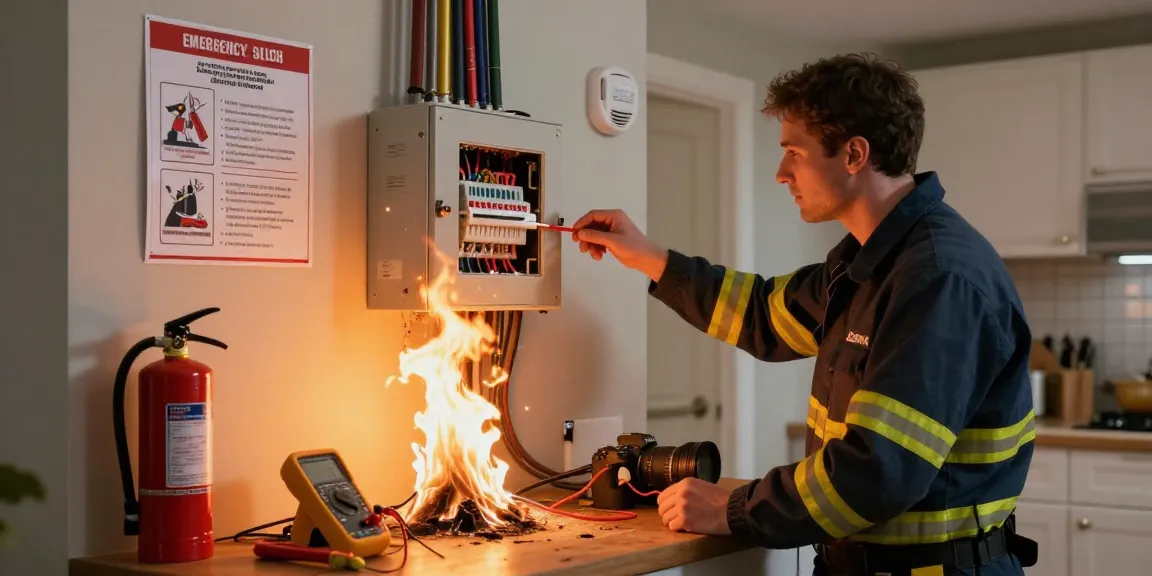
Understanding Emergency Electrical Support
In today’s fast-paced world, the reliance on electrical systems is vital for our daily activities, making the availability of emergency electrical support crucial. Whether it’s the flickering of lights when you need them most or a sudden power outage, knowing when to seek professional help can prevent hazardous situations. This guide will explore the importance of emergency electrical services, what constitutes an electrical emergency, and how to respond effectively.
What Is Emergency Electrical Support?
Emergency electrical support refers to the immediate assistance provided by licensed electricians in situations where safety is compromised due to electrical failures. This can include anything from exposed wires, electric shocks, to electrical fires. Such scenarios require prompt action to minimize risks, ensuring safety for individuals and properties.
Common Scenarios Requiring Immediate Attention
- Electrical Fires: Any sign of smoke or flames near electrical outlets or appliances indicates an urgent need for professional help.
- Power Outages: Frequent or unexplained power outages can signal underlying issues that should be addressed immediately.
- Electrical Shocks: Experiencing shocks or tingling sensations when touching appliances could indicate faulty wiring.
- Smoke from Outlets: Smoke or burning smells emanating from outlets or switches should be taken seriously and require immediate intervention.
The Importance of Professional Intervention
Attempting to handle electrical problems without expertise can lead to severe injuries or exacerbate the situation. Professional electricians have the training and tools to diagnose and rectify issues safely. They follow strict safety protocols, ensuring that any repairs or installations comply with local regulations and standards.
Identifying Electrical Emergencies
Signs of Electrical Failure in Your Home
Recognizing the early signs of electrical failure can be lifesaving. Look for the following indicators:
- Frequent circuit breaker trips.
- Dimming or flickering lights.
- Burning odors near plug sockets.
- Discolored or warm outlets and switches.
- Unexpected increases in energy bills, which could suggest a malfunction.
How to React During Electrical Emergencies
In the event of an electrical emergency, your immediate reaction is crucial. First, ensure your safety and the safety of others by:
- Disconnecting Power: If safe to do so, turn off the main power supply.
- Evacuating the Area: Leave the premises and call emergency services if necessary.
- Avoiding Water: Do not use water to extinguish electrical fires; use a fire extinguisher rated for electrical fires instead.
Assessing the Severity of Electrical Issues
Understanding the severity of electrical issues is essential. Minor issues, such as a flickering light, might be easily fixable, while constant power outages or burning smells often indicate severe underlying issues requiring professional assessment.
Choosing the Right Emergency Electrician
What Qualifications to Look for in an Electrician
Finding a qualified emergency electrician involves looking for specific credentials:
- Licensing and Insurance: Ensure the electrician is licensed and carries adequate liability insurance to protect against accidental damage.
- Experience: Look for electricians with a proven track record in handling emergencies.
- Certifications: Consider those who have undergone additional training or certifications in specific areas of electrical work.
Important Questions to Ask Before Hiring
Prior to hiring an emergency electrician, consider asking the following:
- How soon can you respond to an emergency call?
- What is your process for handling emergency situations?
- Can you provide references from previous emergency work?
- What are your rates and payment options?
Understanding Service Fees and Pricing Models
Emergency electrician services may vary in pricing based on factors such as time of day, severity of the issue, and materials needed. Common pricing models include:
- Flat Rate: A set fee for specific services.
- Hourly Rate: Charging based on the time spent on the job.
- Emergency Fees: Additional charges applied for after-hours services.
Preventing Electrical Emergencies
Routine Maintenance Tips for Homeowners
Regular maintenance can significantly reduce the likelihood of electrical emergencies. Homeowners should:
- Schedule annual electrical inspections to identify potential issues.
- Keep an eye on the condition of wiring, outlets, and appliances.
- Replace or repair damaged cords and plug sockets immediately.
Upgrading Electrical Systems to Enhance Safety
Older homes often require upgrades to meet modern electrical standards. Consider the following improvements:
- Upgrading Circuit Breakers: Modern circuit breakers offer better protection and efficiency.
- Replacing Old Wiring: Upgrade existing wiring to accommodate increased electrical load safely.
- Installing GFCI Outlets: Ground Fault Circuit Interrupter (GFCI) outlets prevent electrical shocks in wet areas.
Common Myths About Electrical Safety
There are several misconceptions surrounding electrical safety that homeowners should be aware of, including:
- Myth: It’s safe to use extension cords for long-term power supply. Truth: Extension cords are for temporary use only.
- Myth: All electrical work can be done DIY. Truth: Some tasks require professional expertise to ensure safety.
- Myth: Fuses are outdated. Truth: Fuses still play a crucial role in electrical safety and can prevent fires.
Future Trends in Emergency Electrical Support
Emerging Technologies in Electrical Safety
The electrical industry is evolving with various technological advancements that enhance safety:
- Smart Home Technology: Integrating smart devices can allow homeowners to monitor electrical systems remotely.
- IoT Devices: Internet of Things (IoT) technology can predict electrical failures before they occur.
- Advanced Circuit Breakers: New circuit breakers that provide real-time data to prevent overloads.
How Regulations Are Shaping the Industry by 2026
As technology evolves, so too do regulations. Homeowners should stay informed about local electrical codes, which are likely to include:
- Stricter Safety Standards: Enhanced safety measures for new installations and renovations.
- Renewable Energy Integration: Requirements for solar panel installations and other renewable sources.
- Energy Efficiency Mandates: Regulations promoting more energy-efficient electrical systems.
Expert Insights on Future Preparedness
To prepare for future electrical challenges, experts recommend continued education and training for both electricians and homeowners. As new technologies emerge, understanding them will be essential for both safety and efficiency.
What should I do in case of an electrical fire?
If you encounter an electrical fire, evacuate the premises immediately and call 911. Never attempt to extinguish the fire with water; instead, use a fire extinguisher designed for electrical fires.
How can I tell if I need emergency electrical support?
If you experience any signs of electrical failure, such as flickering lights, unusual odors, or frequent circuit breaker trips, it’s best to consult with a licensed electrician immediately.
Are DIY fixes safe for electrical issues?
While some minor electrical tasks can be handled by homeowners, it’s always safest to consult with a professional for complex repairs or installations to prevent accidents.
What are the signs of outdated wiring?
Signs of outdated wiring include frequent blown fuses, dimming lights when using appliances, or discolored outlets. If you notice any of these, consider scheduling an inspection.
How to find a reputable emergency electrician?
Look for electricians who are licensed, insured, and provide references. Reading online reviews and checking for any filed complaints can also help in making a reputable choice.